

Remote Hiring vs In-House: Vancouver Business Comparison
Struggling to decide between remote workers and in-house teams for your next home improvement project? Join thousands of Vancouver homeowners who are discovering which hiring approach delivers better results, saves more money, and creates the most beautiful living spaces from Kitsilano to Richmond.Picture this: you’re standing in your dated kitchen in Mount Pleasant, scrolling through contractor profiles on your phone while sipping morning coffee. Half the professionals are based locally, the other half work remotely from across Canada. Sound familiar? This scenario plays out daily in Vancouver homes as homeowners navigate the evolving landscape of home improvement hiring.The debate between remote hiring and in-house teams has transformed how Vancouver residents approach everything from interior design consultations to project management services. Whether you’re renovating a heritage home in Shaughnessy or updating a condo in Yaletown, understanding these hiring models can make or break your renovation dreams.
Key Outtakes:
- Remote professionals offer 24/7 availability and access to specialized skills not found locally in Vancouver
- In-house teams provide immediate response times and hands-on problem solving during critical project phases
- Cost differences between remote and local hiring can impact your renovation budget by 15-30%
- Vancouver’s tech-savvy homeowners are increasingly comfortable with hybrid approaches combining both models
- Weather and seasonal factors unique to Vancouver influence the effectiveness of each hiring approach
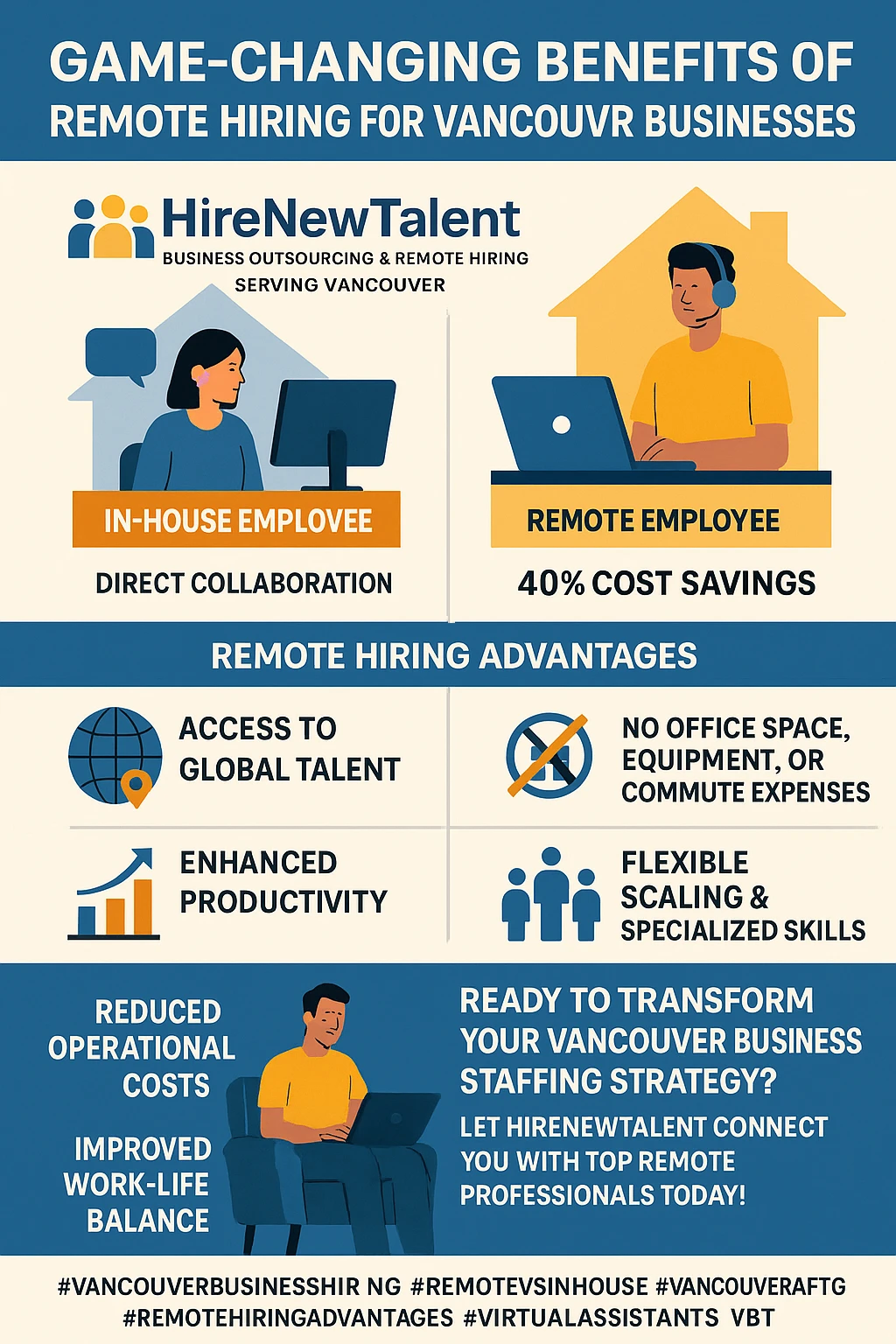
Understanding Remote vs In-House Hiring for Home Projects
Remote hiring in home improvement isn’t just about finding a designer who works from their home office. It encompasses everything from virtual consultations with architects to project managers coordinating your renovation from different provinces. Think of it like having a personal assistant who never needs to commute through Vancouver traffic but can still guide every detail of your bathroom renovation.The beauty of remote professionals lies in their specialized expertise and flexible scheduling. While your local contractor might excel at kitchen installations, a remote specialist could offer advanced smart home integration knowledge that transforms your space into something extraordinary. Many Vancouver homeowners report feeling more comfortable discussing budget constraints and design preferences during virtual meetings than face-to-face consultations.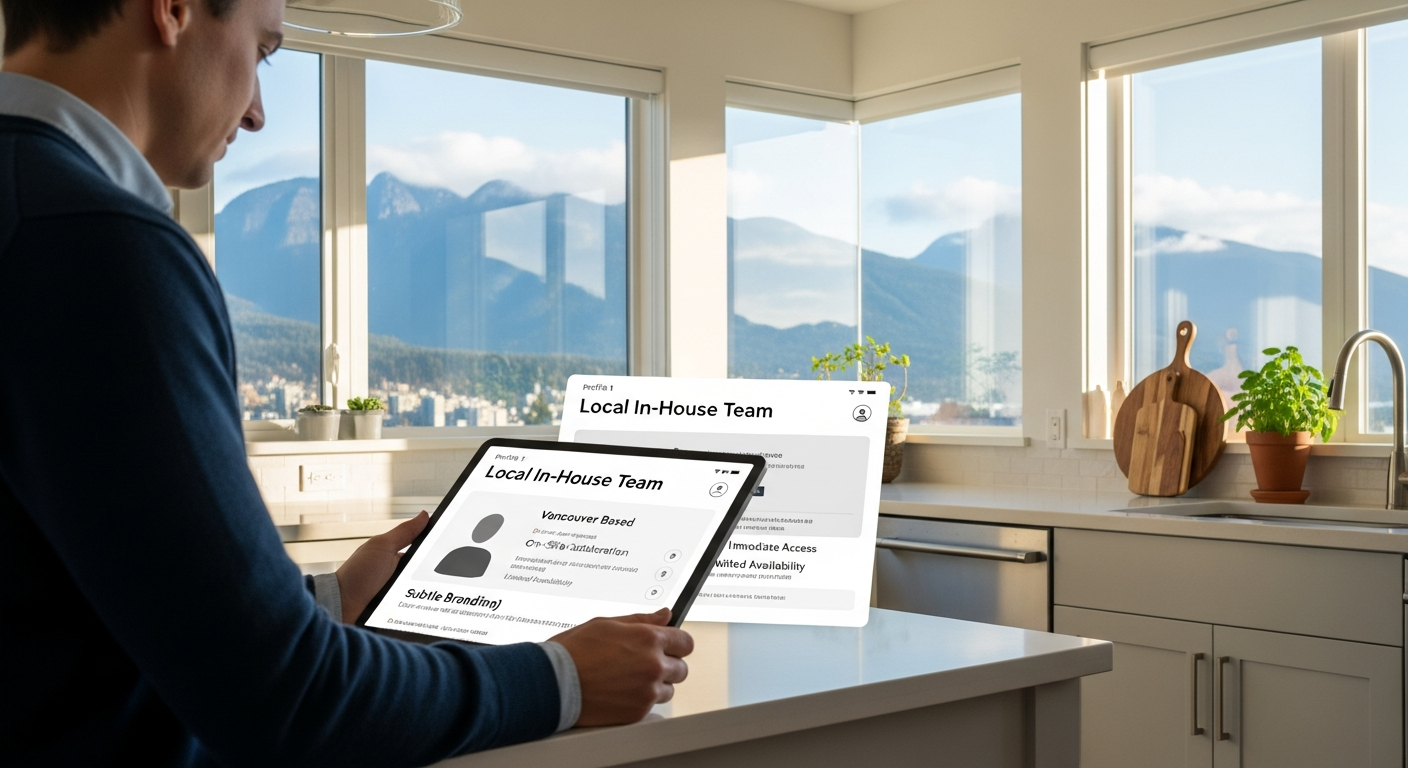 In-house hiring represents the traditional approach where professionals work directly in your space or maintain local offices throughout Metro Vancouver. These teams understand the unique challenges of renovating century-old homes in Kitsilano or dealing with strata regulations in downtown condos. Their physical presence during critical moments can prevent costly mistakes and ensure quality control that’s difficult to achieve remotely.
Cost Analysis: Remote Workers vs Local Teams
Building on the foundational differences between hiring models, let’s dive into the financial realities that every Vancouver homeowner faces. The cost equation extends far beyond hourly rates, encompassing hidden expenses and potential savings that can dramatically impact your renovation budget. Understanding these financial implications helps you make informed decisions that align with both your vision and your wallet.Remote professionals often command lower hourly rates than their Vancouver counterparts, primarily due to reduced overhead costs and geographic arbitrage. A remote interior designer based in Calgary might charge $65 per hour compared to $95 for similar Vancouver-based talent. However, the savings picture becomes more complex when you factor in additional coordination time, potential miscommunication costs, and the need for local liaisons during implementation phases.Local teams present a different cost structure that includes higher labor rates but potentially lower project management expenses. Vancouver-based professionals understand local permit requirements, have established relationships with suppliers, and can respond immediately to unexpected issues. This efficiency often translates to shorter project timelines, reducing indirect costs like temporary accommodation or dining out during kitchen renovations.Travel and coordination expenses add another layer to consider. Remote consultants may require occasional site visits, creating travel costs that can quickly accumulate. Conversely, local teams might charge premium rates for evening or weekend consultations that accommodate busy Vancouver lifestyles. The key lies in evaluating total project cost rather than focusing solely on hourly rates when comparing options. 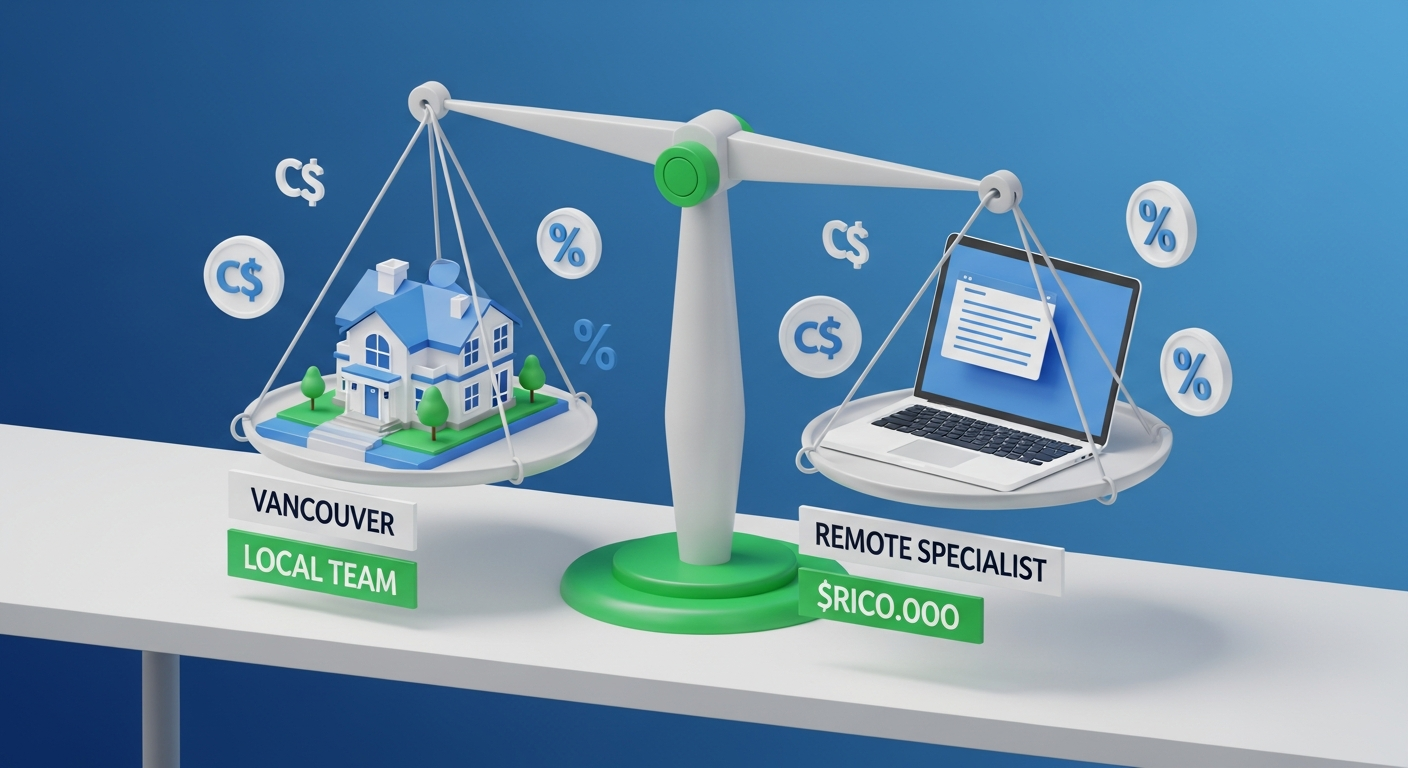
Quality and Communication Considerations
The transition from cost analysis naturally leads us to examine how different hiring approaches impact project quality and communication effectiveness. These factors often determine whether your renovation becomes a dream fulfilled or a stressful ordeal, regardless of the initial budget considerations. Vancouver’s unique housing market and renovation challenges require careful evaluation of how each hiring model addresses quality control and ongoing communication needs.Remote professionals leverage technology to maintain project oversight through virtual walkthroughs, real-time photo updates, and digital project management platforms. This approach works exceptionally well for design-focused projects where creativity and planning take precedence over hands-on execution. Many Vancouver homeowners appreciate the detailed documentation that remote professionals provide, creating comprehensive records of decisions, changes, and progress that prove invaluable during complex renovations.The challenge with remote quality control emerges during critical installation phases or when unexpected issues arise. A remote project manager can guide decisions through video calls, but they cannot physically assess whether that new hardwood installation meets professional standards or troubleshoot plumbing complications in real-time. This limitation often necessitates hiring local inspectors or trusted contractors who can serve as on-site eyes and hands for remote team members.In-house teams excel at immediate problem resolution and hands-on quality assurance. When your contractor discovers structural issues behind bathroom walls or realizes that the specified tile won’t work with existing plumbing configurations, local teams can assess alternatives immediately and implement solutions without lengthy consultation delays. This responsiveness proves particularly valuable in Vancouver’s older housing stock where surprises are common and decisive action prevents costly delays.
Technology Integration and Project Management
Modern home improvement projects increasingly rely on sophisticated project management tools that can level the playing field between remote and in-house teams. Vancouver homeowners now have access to platforms that provide real-time updates, budget tracking, and communication channels that keep everyone informed regardless of physical location.Remote teams often demonstrate advanced proficiency with these digital tools, having built their business models around virtual collaboration. They typically provide more detailed progress reports, digital galleries of inspiration and options, and systematic documentation that appeals to tech-savvy Vancouver residents who appreciate transparency and control over their projects. 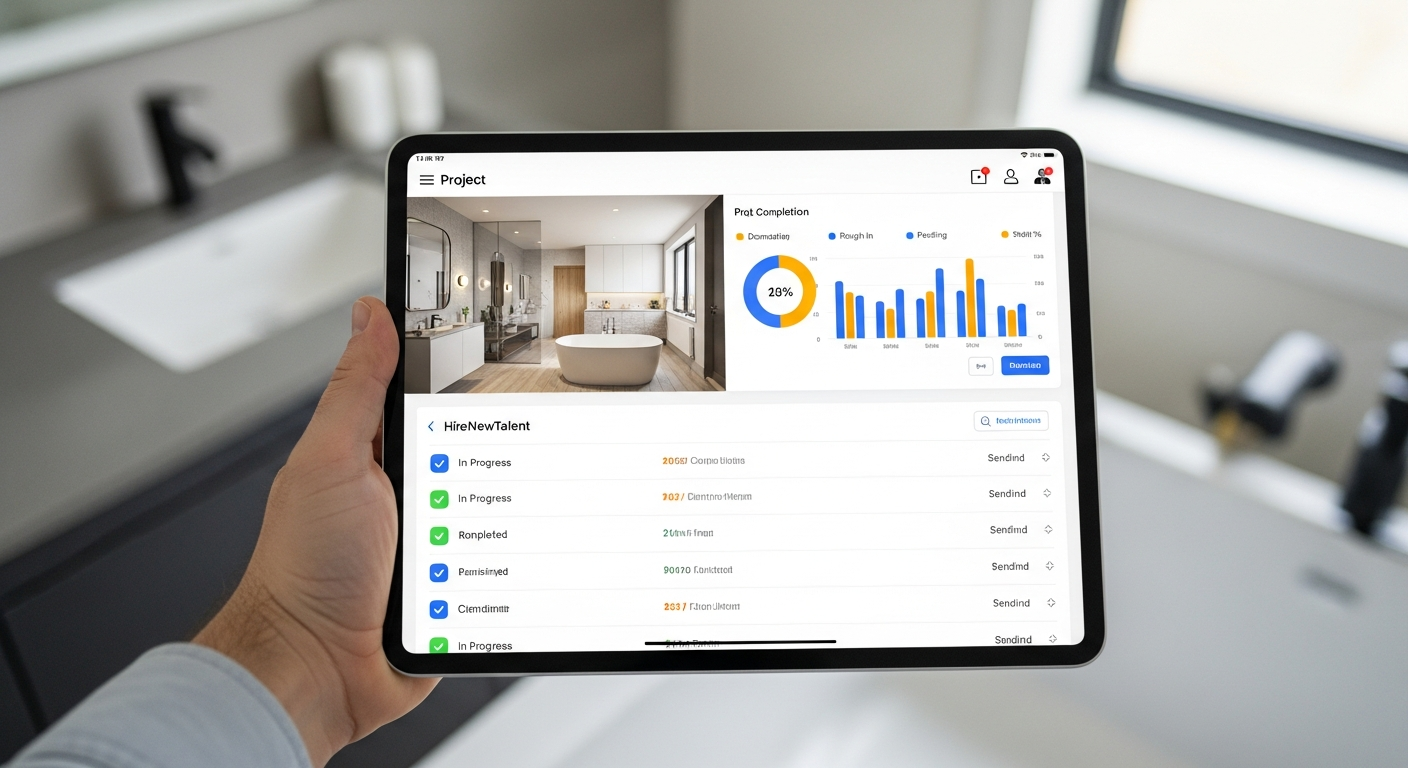
Vancouver-Specific Market Dynamics
Moving from general communication considerations to Vancouver’s unique characteristics reveals how local market forces shape hiring decisions for home improvement projects. The city’s distinctive geography, weather patterns, and regulatory environment create specific challenges and opportunities that influence whether remote or in-house hiring delivers better results for homeowners across different neighborhoods.Vancouver’s notoriously complex permit and inspection processes heavily favor local expertise. Professionals familiar with specific municipal requirements in Richmond versus Vancouver proper can navigate approval processes more efficiently than remote consultants learning these systems for the first time. Local teams understand which inspectors prefer specific documentation styles, how to expedite permits through established relationships, and when seasonal factors might delay approval processes.The city’s dramatic weather variations also impact project timing and hiring effectiveness. Remote project managers might schedule exterior work during Vancouver’s rainy season without understanding local climate patterns, while in-house teams automatically adjust timelines based on seasonal realities. Recent data shows that Vancouver homeowners working with remote teams experience 23% more weather-related delays compared to those using local contractors who understand regional patterns.Material sourcing represents another Vancouver-specific consideration where local knowledge provides significant advantages. Local professionals maintain relationships with suppliers who stock products suitable for the region’s moisture levels, seismic requirements, and architectural styles. Remote consultants might specify beautiful materials that prove unsuitable for Vancouver’s climate or impossible to source locally without significant delays and additional costs.
Neighborhood-Specific Expertise
Different Vancouver neighborhoods present unique challenges that influence hiring decisions. Heritage preservation requirements in areas like Shaughnessy demand specific expertise that local professionals often possess through experience, while strata regulations in Yaletown condos require knowledge of building-specific rules and procedures.Remote professionals can certainly research these requirements, but local teams bring intuitive understanding developed through multiple projects in similar contexts. This experience translates to more accurate initial assessments, realistic timeline projections, and fewer surprises during project execution.
Hybrid Approaches and Best Practices
The evolution from purely remote or in-house models toward hybrid approaches reflects the growing sophistication of Vancouver homeowners who recognize that optimal results often combine the best elements of both hiring strategies. This blended approach allows you to leverage specialized remote expertise while maintaining essential local oversight and hands-on quality control.Successful hybrid models typically assign design, planning, and project management responsibilities to remote professionals while engaging local contractors for implementation and oversight. This structure provides access to specialized expertise that might not be available locally while ensuring that someone knowledgeable can address immediate issues and maintain quality standards during critical phases.The key to effective hybrid hiring lies in establishing clear communication protocols and defining responsibilities upfront. Remote team members need reliable local contacts who can serve as their eyes, hands, and decision-makers when immediate action is required. Local team members need clear guidelines about when to consult remote specialists versus proceeding independently with routine decisions.Technology plays a crucial role in successful hybrid implementations. Video conferencing tools, shared project management platforms, and real-time communication channels ensure that all team members stay informed and aligned regardless of their physical location. Many Vancouver homeowners find that hybrid approaches actually improve communication compared to traditional single-team models because the structured communication requirements create better documentation and more regular updates.
The Vancouver Advantage: Unique Market Opportunities
Vancouver’s position as a major technology hub creates unique opportunities for innovative hiring approaches that leverage both remote capabilities and local expertise. The city’s tech-savvy population generally embraces digital tools and virtual collaboration, making them ideal candidates for sophisticated hybrid hiring models that maximize the benefits of both approaches.The concentration of skilled professionals in Vancouver also means that purely local hiring often provides access to exceptional talent without requiring remote searches. However, highly specialized needs—such as smart home integration, sustainable design expertise, or historic preservation knowledge—might still benefit from remote specialists who focus exclusively on these niches.Market demand in Vancouver tends to favor professionals who can demonstrate flexibility in their service delivery models. Whether working remotely, locally, or in hybrid configurations, the most successful home improvement professionals adapt their approaches to meet client preferences and project requirements rather than insisting on single-model solutions.
Frequently Asked Questions
How do I ensure quality control when hiring remote professionals for my Vancouver home renovation?
Establish clear quality benchmarks upfront and require regular photo documentation of progress. Consider hiring a local inspector or trusted contractor to conduct periodic site visits and serve as your on-site representative. Use video calling for virtual walkthroughs during critical phases, and ensure your contract includes provisions for addressing quality issues promptly.
Are remote home improvement professionals familiar with Vancouver’s building codes and permit requirements?
This varies significantly by professional and project type. Always verify that remote team members understand local requirements or have established relationships with Vancouver-based partners who can handle regulatory compliance. For complex projects involving permits, consider hybrid approaches that combine remote design expertise with local implementation knowledge.
What cost savings can I expect from hiring remote professionals versus local Vancouver teams?
Remote professionals typically offer 15-30% lower hourly rates, but total project costs depend on coordination requirements, potential travel expenses, and efficiency factors. Focus on total project cost rather than hourly rates, and factor in potential delays or additional coordination time that might offset initial savings.
Wrapping Up
The choice between remote hiring and in-house teams for your Vancouver home improvement project isn’t black and white—it’s about finding the right fit for your specific needs, budget, and comfort level. Whether you choose remote specialists for their expertise, local teams for their hands-on approach, or a hybrid model that combines both strengths, success depends on clear communication, defined expectations, and careful planning.At HireNewTalent, we understand the unique challenges Vancouver homeowners face when choosing between remote and in-house professionals for their renovation projects. Our platform connects you with vetted specialists who excel in both traditional and innovative hiring models, ensuring your home improvement dreams become reality regardless of which approach suits your project best.